White kitchens had a long run. Honestly, they still look beautiful. Yet more homeowners are starting to crave something with a little more soul. Something warmer. Something memorable. That's exactly why blue kitchen islands continue to dominate kitchen remodels. Blue adds personality without making a kitchen feel overwhelming. It can look classic, modern, cozy, dramatic, or relaxed depending on the shade you choose. A navy island feels entirely different from a dusty blue one, even when paired with the same countertops. I remember visiting a remodeled home outside Charlotte where the owners installed a deep blue island after debating it for nearly six months. The husband worried it would feel "too trendy." Two years later, it's still everyone's favorite part of the house. Guests gather around it during parties. Kids do homework there. Morning coffee somehow tastes better when it's beside you. That's the thing people rarely mention about kitchen design. The best spaces don't just look good. They make daily life feel better, too. If you're thinking about adding color to your kitchen without regretting it a year later, these designer-inspired blue island ideas may point you in the right direction.
Farrow & Ball's Oval Room Blue
Some paint colors look stunning online and disappoint the second they hit actual walls. Farrow & Ball's Oval Room Blue somehow avoids that trap. The color changes beautifully throughout the day. Morning light brings out soft gray undertones, while evening light creates a richer, moodier feel. Designers love shades like this because they feel layered instead of flat. One homeowner paired Oval Room Blue with creamy cabinets and aged brass hardware in a renovated 1920s home. The kitchen instantly felt collected rather than overly designed. Nothing screamed for attention, but the entire room felt expensive in that quiet, effortless way. Warm wood flooring works especially well with this color. White quartz countertops also help brighten the island without stealing its focus. Blue is sometimes labeled "cold," but this shade doesn't feel that way at all. It feels calm. Comfortable. The kind of color you still enjoy years later when trends start changing again.
Deep Teal and Metallic Accents
Deep teal brings energy into a kitchen without becoming loud. Designers often use it when a space needs contrast or personality. Paired with brass or champagne bronze fixtures, teal suddenly feels rich and sophisticated instead of overly bold. One of our designers recently worked on a family kitchen with soaring ceilings and oversized windows. The homeowners originally planned for a plain charcoal island. At the last minute, they switched to deep teal. Best decision they made during the entire remodel. The brass pendants above the island reflected light beautifully during the evening. Meanwhile, walnut bar stools softened the darker tone and made the room feel more approachable than formal. That balance matters. Teal also works surprisingly well with natural textures. Linen fabrics, wooden cutting boards, handmade pottery, and even slightly imperfect materials help the kitchen feel lived in rather than staged for Instagram. Because let's be honest. Nobody actually lives inside a showroom.
Pale Cornflower and Light Wood
Not every kitchen needs dramatic colors to make an impact. Pale cornflower blue creates a softer atmosphere that feels bright, relaxed, and welcoming. Combined with light wood finishes, the look feels fresh without leaning too heavily into trendy Scandinavian minimalism. A lake house renovation we followed last summer used this exact combination. The homeowners wanted something airy but still warm enough for long weekends with family. Pale blue cabinetry paired with white oak shelving completely transformed the kitchen. The room suddenly felt peaceful in a way that's hard to describe until you experience it. Open shelving works beautifully alongside softer blues because it keeps the kitchen visually light. Add woven lighting or simple ceramic pieces, and the space starts feeling natural rather than overly decorated. Sometimes the best kitchens are the ones that don't try too hard.
Midnight Blue with a Waterfall Island
Midnight blue has presence. Walk into a kitchen with a midnight blue waterfall island, and your eyes immediately go there first. It creates drama without needing flashy details or oversized décor. Waterfall countertops extend the counter material down the sides of the island. Paired with deep blue cabinetry, the result feels sleek and architectural. One homeowner described her midnight blue island as "the little black dress of the kitchen." Honestly, that comparison makes perfect sense. This style works especially well in homes with plenty of natural light. Large windows prevent darker cabinetry from feeling too heavy. White marble or quartz countertops also help create balance by brightening the overall look. Simple lighting tends to work best here. Slim black pendants or globe fixtures complement the island beautifully without competing for attention. For homeowners wanting a kitchen that feels polished and high-end, midnight blue rarely disappoints.
Slate Blue and Matte Black
Slate blue sits somewhere between classic and modern. It feels softer than navy but richer than pale blue. Designers love pairing slate blue islands with matte black hardware because the contrast feels clean and contemporary without becoming harsh. I toured a renovated loft in Chicago where this exact combination completely changed the kitchen. Exposed brick walls surrounded the space, while the slate blue island grounded the room beautifully. Matte black lighting tied everything together without making the space feel heavy. Texture matters with this palette. Honed stone countertops, brushed finishes, or textured backsplash tile prevent the room from feeling flat. Bright white kitchens aren't for everyone. Some people want something moodier and more relaxed. Slate blue hits that balance perfectly.
Royal Blue with Marble Slabs
Royal blue definitely isn't shy. Still, when paired correctly, it feels elegant instead of overwhelming. Marble slabs help soften intensity and create a timeless contrast that luxury designers continue to use year after year. One standout kitchen featured a royal blue island wrapped in dramatic white marble beneath oversized globe pendants. Guests naturally gathered there during dinner parties without anyone planning it. The island completely anchored the room. That's the power of bold color done well. Keeping the surrounding cabinetry neutral helps this look succeed. Too many competing colors quickly make the kitchen feel chaotic. Let the island remain the focal point while everything else supports it quietly. Royal blue works best for homeowners who want personality instead of safe design choices.
Distressed Blue Wood and Open Shelving
Perfect kitchens sometimes feel a little lifeless. Distressed blue wood changes that instantly. Visible grain patterns, worn finishes, and slightly imperfect surfaces introduce warmth and character that polished cabinetry often lacks. This style works especially well in farmhouse, cottage, or rustic-inspired homes. A designer friend once joked that distressed islands actually look better after a few scratches from everyday wear and tear. She wasn't wrong. Open shelving complements distressed finishes beautifully. Stacked dishes, cookbooks, or collected pottery make the kitchen feel personal over time. Nothing feels overly staged or too precious to touch. Warm butcher-block countertops pair naturally with distressed blue cabinetry, adding texture and warmth. The result feels inviting instead of overly curated.
High-Gloss Cobalt and Modern Hardware
High-gloss cobalt blue isn't subtle, but that's exactly the appeal. The reflective finish catches light beautifully, instantly making a kitchen feel more energetic. In smaller spaces, glossy surfaces can even create the illusion of openness. Minimal hardware works best here. Sleek handles or integrated pulls keep the kitchen looking streamlined and modern. One downtown condo renovation featured a cobalt island against polished concrete flooring and white cabinetry. Under evening lighting, the island practically glowed. Guests couldn't stop talking about it. Of course, glossy finishes require maintenance. Fingerprints appear faster than on matte surfaces. Yet homeowners who choose this look usually understand the tradeoff. Bold kitchens require confidence anyway.
Dust Blue and Minimalist White
Dust blue feels calm in the best possible way. It introduces color gently without overwhelming minimalist spaces. Paired with crisp white cabinetry, the combination feels bright, clean, and surprisingly cozy. Designers often recommend dust blue for homeowners nervous about committing to stronger colors. It acts almost like a neutral while still adding warmth and personality. Morning sunlight especially flatters this shade. The color softens beautifully during the day and becomes cozier in the evening under warmer lighting. Simple wood accents prevent the space from feeling sterile. Oak stools, linen textures, or handmade ceramics help the kitchen feel relaxed and welcoming. Minimalist kitchens still need warmth. Dust blue helps create it naturally.
Hardware and Finishing Touches
Small details shape how a blue kitchen island feels. Brass hardware adds warmth and softness. Matte black creates modern contrast. Chrome keeps things more traditional and polished. Pendant lighting matters too. Oversized fixtures create drama, while smaller pendants keep the room understated. The right scale often matters more than the actual style itself. Barstools also influence the atmosphere more than people expect. Upholstered seating softens darker cabinetry, while wood stools add texture and warmth. Plants, cookbooks, ceramic bowls, and collected pieces finish the space naturally. Kitchens feel more inviting when they look lived-in rather than untouched. Nobody wants a kitchen that feels too precious to use.
Countertop Pairings for Blue Islands
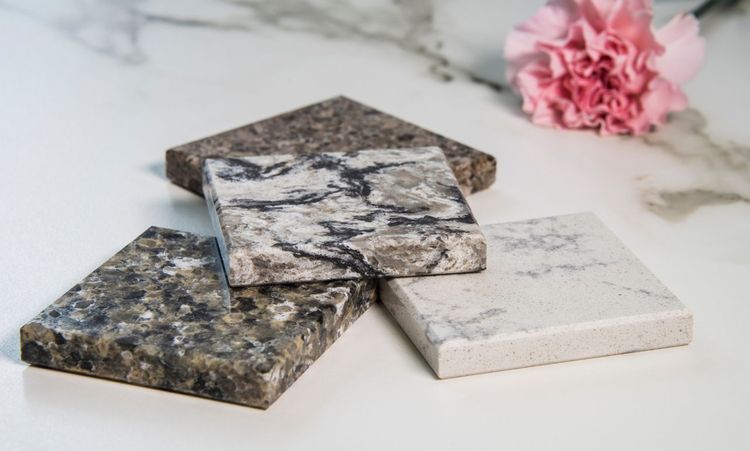
Countertops can completely change the mood of a blue kitchen island. White quartz remains one of the most popular choices because it brightens darker shades while staying durable enough for everyday life. Marble creates a more luxurious appearance, especially when paired with navy or royal blue cabinetry. Butcher block countertops soften lighter blues beautifully and introduce warmth at the same time. Meanwhile, concrete-look surfaces pair naturally with slate blue or cobalt islands in modern homes. Lighting changes everything, though. Always look at countertop samples beside your cabinet color under actual lighting conditions before making a final decision. Showroom lighting has fooled plenty of homeowners into expensive mistakes.
Conclusion
Blue kitchen islands continue to stand out because they bring personality into a space without sacrificing timelessness. Some shades feel dramatic and luxurious. Others create softness and calm. Either way, blue introduces life into kitchens that might otherwise feel forgettable. The best kitchens don't come from unthinkingly following trends. They come from creating spaces people genuinely enjoy spending time in. A thoughtfully designed blue island can become more than just cabinetry. It becomes the place where conversations happen, coffee gets poured, kids finish homework, and guests naturally gather. Honestly, that's what great kitchen design is really about.