Kitchen remodeling feels exciting at first. You picture sleek cabinets, better lighting, and a space that finally works for you. Then reality hits. Costs rise, timelines stretch, and small mistakes turn into expensive regrets.
I’ve seen this happen more times than I can count. At Ace 1 Media, we’ve worked with homeowners who thought they had everything planned out—only to miss critical details that cost them thousands later.
This article breaks down the 7 Kitchen Remodeling Mistakes that most people overlook. You’ll learn how to avoid them, save money, and create a kitchen that actually improves your daily life.
If you’re planning a remodel soon, read this carefully. One small decision today can affect your kitchen for the next decade.
Poor Lighting Choices
Why Lighting Is More Than Just Brightness
Lighting is one of the most underestimated elements in kitchen design. Many homeowners focus on cabinets and countertops while ignoring how light affects usability.
A poorly lit kitchen feels smaller, less inviting, and harder to work in. Tasks like chopping or cooking become frustrating—and even unsafe.
The Three Layers of Kitchen Lighting
A well-designed kitchen uses layered lighting. Task lighting illuminates work areas, ambient lighting provides general brightness, and accent lighting highlights design features.
Skipping any of these layers leaves your kitchen feeling incomplete and inefficient.
Real-World Insight: A Costly Oversight
One homeowner installed premium countertops but overlooked lighting placement. Shadows made the space difficult to use, forcing a costly rewiring after installation.
Inefficient Layout Designs
The Importance of Workflow in Your Kitchen
Your kitchen is a workspace. Efficiency matters.
The classic kitchen triangle—sink, stove, and refrigerator—remains essential for smooth workflow. Ignoring it creates unnecessary movement and daily frustration.
When Style Overrides Function
Trendy layouts often prioritize aesthetics over usability. Large islands or open shelving may look appealing but can disrupt functionality.
Design should enhance how you use your kitchen—not hinder it.
Data Doesn’t Lie
Industry insights consistently show that poor layout planning is a leading cause of remodeling regret. Function should always come first.
Ignoring Ventilation Needs
Why Ventilation Matters More Than You Think
Ventilation isn’t visible, but its impact is significant. Cooking releases smoke, grease, and odors that need proper extraction.
Without ventilation, these elements linger and damage your kitchen over time.
The Hidden Costs of Poor Ventilation
Grease buildup, unpleasant odors, and even mold growth can result from inadequate ventilation. These issues increase maintenance and repair costs.
A Simple Upgrade That Pays Off
Installing a high-quality range hood improves air quality and protects your kitchen materials. It’s a practical investment with long-term benefits.
Overlooking Maintenance and Durability
Choosing Materials That Don’t Last
It’s easy to choose materials based on appearance alone. However, not all materials are built to last.
High-gloss finishes show fingerprints, while porous surfaces like marble require frequent maintenance.
Long-Term Thinking Wins Every Time
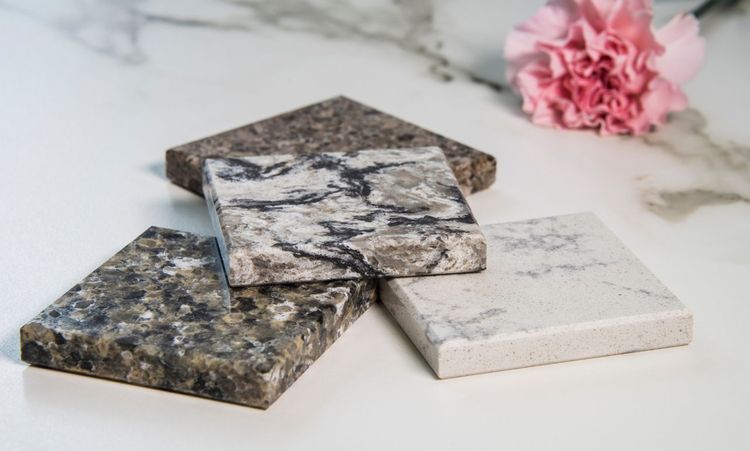
Durable materials like quartz and ceramic offer both style and practicality. They resist stains and require minimal upkeep.
Real Example: The Hidden Maintenance Trap
A homeowner chose matte white cabinets for their aesthetic appeal. Within months, stains became visible, requiring constant cleaning and specialized care.
Sacrificing Functionality for Aesthetics
When Beauty Becomes a Problem
Design trends can sometimes compromise usability. Floating shelves and minimalist layouts often reduce storage space and convenience.
The Balance Between Style and Function
The best kitchens combine visual appeal with practicality. Every design choice should support how you use the space daily.
A Lesson from Experience
One client removed upper cabinets for a modern look, only to struggle with storage later. Reinstalling them doubled their costs.
Improper Positioning of Drawers and Cabinet Doors
Small Details That Make a Big Difference
Poor placement of drawers and cabinet doors can disrupt movement and create daily frustration.
Planning for Movement and Accessibility
Ensure that doors and drawers open freely without blocking pathways or appliances. Consider how multiple people will use the space simultaneously.
Real Insight from Remodeling Projects
In one case, a dishwasher blocked access to nearby cabinets when opened. Fixing the issue required costly modifications.
Failure to Plan Ahead for the Backsplash
Why the Backsplash Matters More Than You Think
The backsplash is often treated as an afterthought, but it plays a key role in both design and functionality.
Design and Function Go Hand in Hand
A well-chosen backsplash protects walls and complements your overall kitchen design. Materials should be both durable and easy to clean.
A Costly Lesson
One homeowner delayed choosing a backsplash until after cabinet installation, leading to alignment issues and additional expenses.
Conclusion
Kitchen remodeling can transform your home when done right. It improves functionality, enhances daily living, and increases property value.
However, these common mistakes can turn a dream project into a costly experience. Poor lighting, inefficient layouts, and overlooked details create long-term challenges.
The good news is that these mistakes are avoidable. With careful planning and informed decisions, you can create a kitchen that works beautifully for years.
Before you begin, ask yourself one question: does your design truly support your lifestyle?
Because at the end of the day, your kitchen isn’t just about looks—it’s about how it works for you.