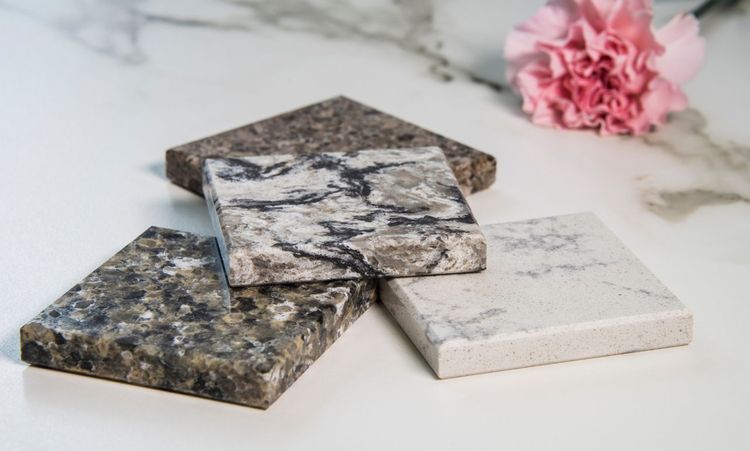
If you've ever remodeled a kitchen—or even thought about it—you already know how overwhelming the choices can feel. Cabinets matter. Countertops matter. But the backsplash? That’s where personality lives.
I’ve worked with homeowners who spent weeks debating between marble and subway tile. One client in Westlands told me she changed her backsplash three times before settling on one. Why? Because the backsplash quietly defines the entire kitchen vibe.
In this guide, we’ll break down what really matters when choosing backsplash materials. You’ll learn what lasts, what stains, what boosts home value, and what might drive you crazy over time.
We’ll also explore practical insights drawn from real installations, contractor feedback, and homeowner experiences. And yes, we’ll answer the big question: What are the best stone backsplash ideas for your kitchen?
Let’s get into it.
Long-Lasting Luster
Why Durability Defines Your Investment
Durability isn’t just a buzzword—it determines whether your kitchen still looks good years from now.
Natural stones like granite and quartzite are known for maintaining their shine over time. In contrast, lower-quality materials may fade, chip, or lose their finish with regular use.
Ceramic tiles also perform well, especially when glazed. They resist scratches and maintain their appearance even in high-use kitchens.
If you’re planning long-term, choose materials that age well. It’s a decision that pays off both visually and financially.
Aesthetics and Variety
How Backsplash Materials Shape Your Kitchen Identity
Your backsplash is one of the most visible design elements in your kitchen. It sets the tone.
Glass tiles reflect light and brighten smaller spaces. Marble offers a timeless, luxurious feel. Subway tiles remain popular because of their versatility and simplicity.
However, too many options can slow decision-making. Instead of chasing trends, focus on what aligns with your style and will still look good years from now.
A well-chosen backsplash doesn’t just look good—it feels right.
Heat Resistance
Why This Matters More Than You Think
Your backsplash sits directly behind your stove, meaning it’s exposed to heat daily.
Materials like porcelain, ceramic, and natural stone handle high temperatures well. They don’t warp or discolor easily.
On the other hand, lower-quality materials like acrylic can deform under heat. Even glass tiles require proper installation to avoid cracking from temperature changes.
If you cook frequently, heat resistance should be a top priority.
Increased Home Value
How the Right Backsplash Boosts Resale Appeal
Kitchens play a major role in property value. A high-quality backsplash signals attention to detail and modern design.
Stone and premium tile backsplashes often increase buyer interest and can help homes sell faster.
However, overly bold designs may limit appeal. Neutral tones and timeless finishes tend to attract a wider audience.
If resale matters, choose a design that balances personality with broad appeal.
Low Maintenance Requirements
The Hidden Cost of “Beautiful” Materials
Some materials look stunning but require constant upkeep.
Quartz and ceramic tiles are easy to clean and maintain. Marble, while beautiful, needs regular sealing to prevent stains.
Maintenance isn’t just about effort—it’s about long-term satisfaction. A low-maintenance backsplash allows you to enjoy your kitchen without constant worry.
Porosity and Staining
Why Do Some Materials Absorb More Than Others
Porosity affects how a material handles spills and stains.
Marble and limestone are more porous, making them prone to absorbing liquids like oil or sauce. Granite is less porous, especially when sealed. Quartz stands out as a non-porous option, offering excellent stain resistance.
If you cook often, choosing a low-porosity material can save you time and stress.
Maintenance Requirements
What Daily Care Actually Looks Like
Maintenance goes beyond cleaning—it’s about consistency.
Ceramic tiles require minimal effort. Stone backsplashes need periodic sealing to maintain their durability.
Grout lines can also collect dirt over time. Using larger tiles reduces grout lines, making cleaning easier.
Before choosing a material, consider how much effort you’re willing to put into maintenance.
Installation Complexity
Why Professional Installation Matters
Not all backsplash materials are easy to install.
Peel-and-stick tiles are beginner-friendly, but stone, glass, and detailed patterns require professional expertise.
Poor installation can lead to uneven surfaces, weak adhesion, or long-term damage. Investing in proper installation protects your overall investment.
Irregularities and Variations
The Beauty—and Challenge—of Natural Materials
Natural stone offers unique patterns and textures. No two pieces are identical.
This creates a one-of-a-kind look, but it also means less uniformity. Some homeowners love this natural variation, while others prefer consistency.
If you want a uniform appearance, manufactured materials like quartz or ceramic are better options. If you value uniqueness, natural stone delivers it.
What Are the Best Stone Backsplash Ideas for Your Kitchen?
Creative Ways to Use Stone Effectively
Stone backsplashes offer both beauty and durability. One popular approach is using the same material for both the countertop and backsplash, creating a seamless, high-end look.
Full-height stone backsplashes are another trend. Instead of stopping midway, the material extends to the cabinets, giving a bold and modern finish.
Textured stone is also gaining attention for adding depth and character, especially in minimalist designs.
Quartz backsplashes are becoming increasingly popular due to their durability and low maintenance, making them ideal for modern homes.
Conclusion
Choosing the right backsplash isn’t just about appearance—it’s about how it fits your lifestyle.
Durability, maintenance, heat resistance, and long-term value all play a role. Every material has trade-offs, so the goal is to find what works best for you.
If you want simplicity, go for ceramic or quartz. If you want a premium look, consider marble or granite—just be ready for the upkeep.
At the end of the day, your kitchen should reflect your personality.
So ask yourself this: what matters more—style, durability, or ease of maintenance?